ALPACA
PERFECTED BY NATURE AT HIGH ALTITUDES
A FIBER SHAPED BY ALTITUDE
Alpacas are native to the high Andes, producing one of the world’s most exceptional natural fibers. Soft, lightweight, and insulating, their wool offers lasting comfort across seasons.

The animal
Life in the High Andes
Alpacas live in their natural habitat high in the Andes, above 4,000 meters, where local farmers raise and care for them daily. They are gently sheared each year before summer, with no harm to the animals.

The Fiber
Beyond Softness
Alpaca fiber is naturally hollow, trapping warmth while staying lightweight and breathable. This allows garments to regulate temperature effortlessly, offering comfort across seasons. Finer and lighter than merino or cashmere, alpaca is recognized for its softness, durability, and long-lasting comfort.

Responsible by Design
Ethical from the Source
Every alpaca fiber we use is carefully tracked from the Andes to our workshops. Our garments are only crafted in certified facilities following international animal welfare and responsible sourcing standards.

Inspired by the Andes
Andean Origins, Lasting Performance
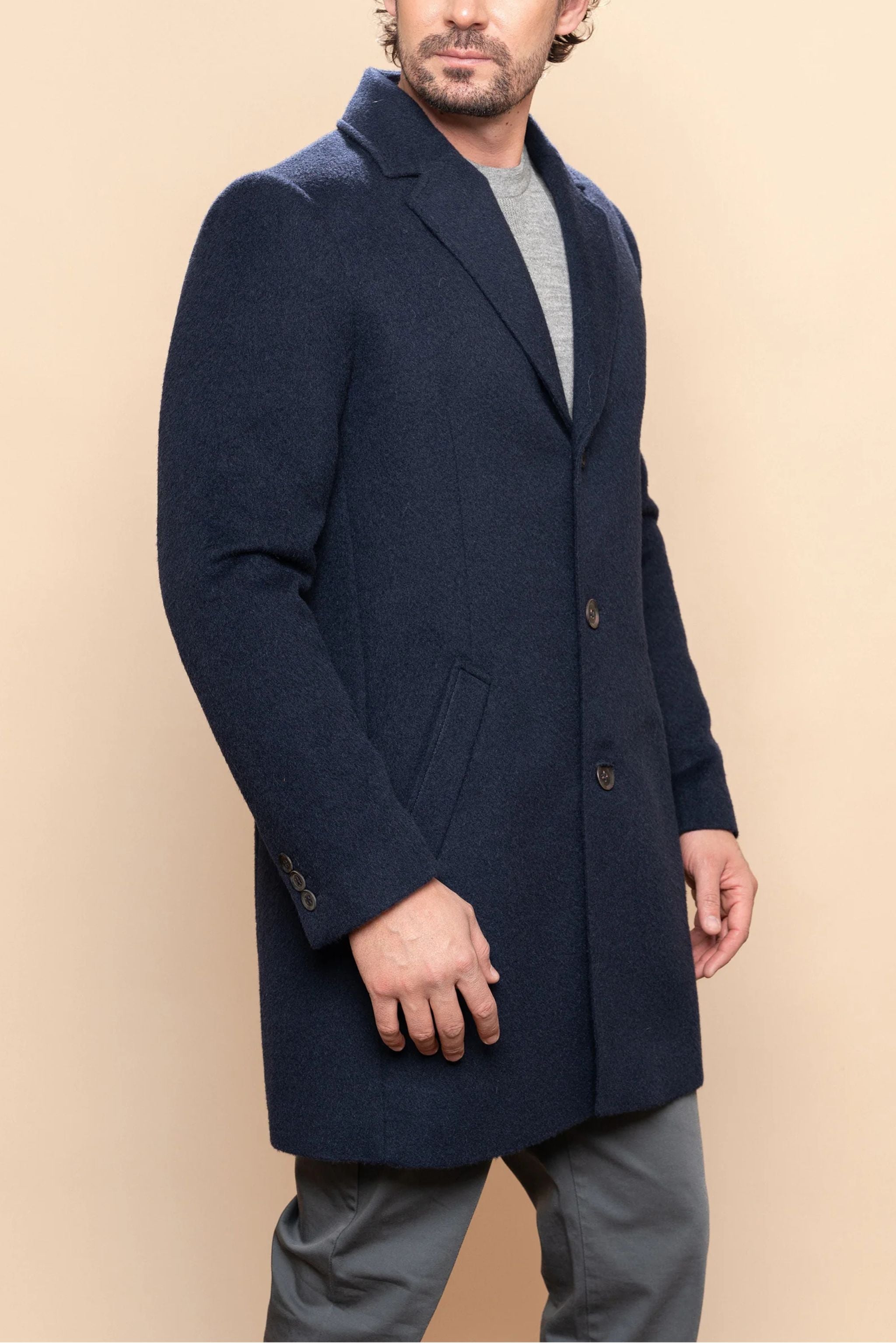
At ANDEALPA, we craft garments that are designed to last, combining the natural resilience of alpaca with thoughtful construction. Each piece is made to perform in versatile settings, offering enduring quality, comfort, and style that carry you through everyday life.
BORN IN THE ANDES
Where nature shapes the world’s finest alpaca fiber.
What makes alpaca so sustainable?
Discover why alpaca fiber is a responsible and eco-friendly choice.
Gentle on the Land
Alpacas have soft, padded feet and light grazing habits that protect fragile Andean ecosystems.
Minimal Resources
Their fiber grows naturally, requiring no irrigation, pesticides, or chemical inputs.
Durable & Biodegradable
Alpaca garments last for years and are fully biodegradable, reducing fashion waste.
Ethically Produced
Raised in harmony with local communities, supporting traditional livelihoods and responsible practices.